
Perspectives on Building Better Teams
Thoughtful articles on engineering, support, and the realities of growth
Why Hosting Companies Hire Offshore Linux Administrators in the AI Era
It's 2:47 a.m. Eastern. A CloudLinux node carrying 800 cPanel accounts hits a load average of 140. A compromised WordPress plugin is pushing spam through Exim, the mail queue is at 60,000 and climbing, and the server's IP has just been listed on Spamhaus. By 8 a.m. you'll have a pile of reseller tickets, a blocklisted subnet and SLA credits to issue. The question every VP of Operations at a hosting company eventually faces isn't whether this happens. It's who is awake, qualified and authorised
Read Article
The Operations Gap That Grows Every Time Your Hosting Business Does
There is a version of hosting company growth that looks like success from the outside and feels increasingly fragile from the inside. Revenue is climbing. New clients are onboarding. Your server estate is expanding. And somewhere in the background, the operations team that handled fifty clients without breaking a sweat is quietly beginning to fracture at two hundred. The fractures do not always announce themselves dramatically. They show up as a slight increase in ticket volume that your L2 tea
Contractor, Outsourced Team, or Embedded Engineer: Which Model Works Best for Your Infrastructure?
If you run a hosting company or managed service provider in North America, you have probably had this conversation more than once. Your infrastructure is growing. Ticket volumes are climbing. Your L2 team is handling escalations that genuinely need L3 expertise. You need more coverage and you need it without the cost and timeline of building an entirely new in-house team from scratch. The question most operations leaders reach at this point is not whether to get help. It is which model of hel
Your AI Edge is Not the Model. It is Who Builds it.
Every product company is chasing the same thing right now. A smarter recommendation engine. A more accurate prediction layer. A conversational interface that actually works in production. The race to embed AI into software products has never moved faster, and the pressure on engineering teams to deliver has never been higher. Yet the gap between companies that ship meaningful AI and those that ship demos continues to widen, and the reason is rarely the model they chose. It is almost always the e
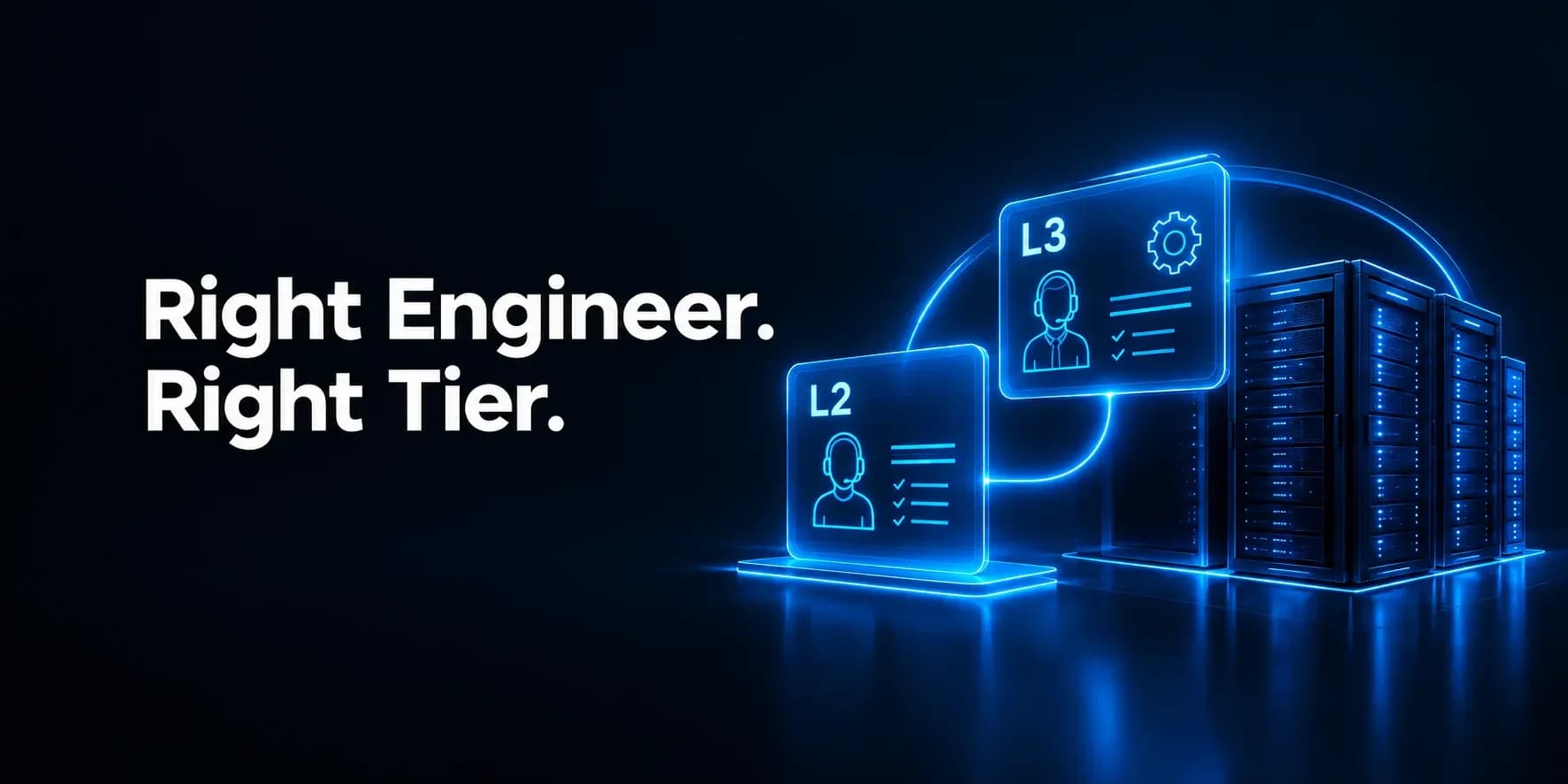
The L2 and L3 Support Gap No One Talks About
Every hosting company, MSP, and SaaS platform has a support structure. Tickets come in, engineers respond, issues get resolved. On paper, the system works. In practice, the line between what L2 support handles and what genuinely requires L3 expertise is blurred far more often than most operations leaders would care to admit, and that blur has a cost that rarely shows up on a dashboard until it is too late. Understanding where L2 ends and L3 begins is not just an operational nicety. For compani
The Certification Gap That Breaks Your Infrastructure
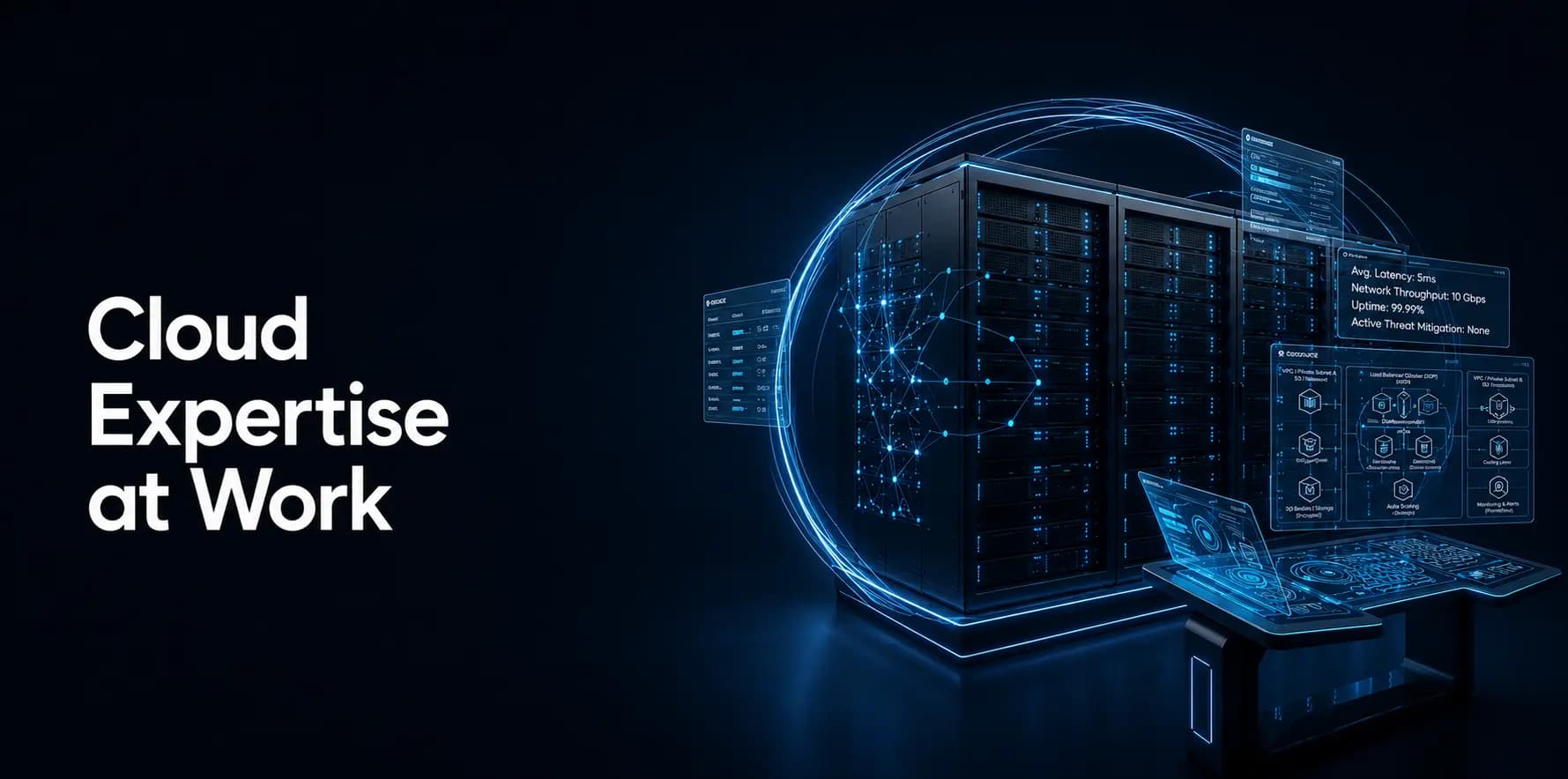
What happens when a critical production incident reaches the one part of your cloud environment that only one engineer knows deeply? The problem may not be a lack of monitoring, automation, or even headcount. The real weakness can be a gap in specialized infrastructure expertise: the cloud engineer is unavailable, the DevOps specialist is handling another escalation, or the SRE with the relevant production experience has moved on. For technology decision-makers, that creates a more important q
How Predictive Operations Are Replacing Reactive Infrastructure Management
What if the biggest obstacle to faster product delivery isn't your development process, but the way your infrastructure operates? Behind every successful software product is infrastructure that can scale, adapt, and recover without disrupting customer experiences. As cloud native architectures, microservices, and distributed applications become increasingly complex, engineering teams are no longer challenged by a lack of operational data. Instead, the real challenge is identifying meaningful